

Think about the last time you moved without a second thought: reaching for a shelf, taking a walk, or getting out of bed. We often take movement for granted—until pain, stiffness, injury, or illness makes even familiar actions difficult.
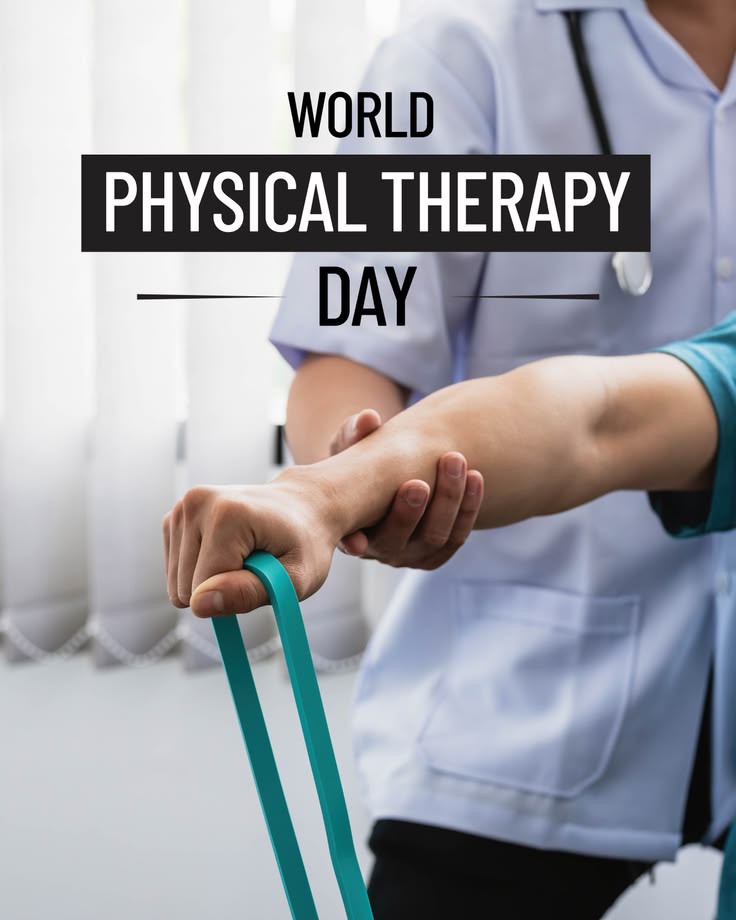
Every year on September 8, we celebrate World Physical Therapy Day. This year highlights the essential role physical therapy plays in managing Cardiovascular disease and Stroke, from prevention and early intervention to recovery and long-term rehabilitation.
Many people do not realize that physical therapy can help reduce the risk of cardiovascular events and stroke. Physical therapists prescribe structured aerobic and resistance exercise to help lower blood pressure, improve cholesterol levels, build cardiovascular fitness, and address other risk factors linked to stroke and heart disease.
But even with prevention, emergencies can happen. Stroke is often thought of as affecting only older adults, but it can occur at any age. A stroke occurs when blood flow to part of the brain is interrupted, damaging brain tissue. Recognizing the warning signs and acting quickly can save a life. Remember F-A-S-T:
Face: Does one side of the face droop when the person smiles?
Arms: Can they raise both arms, or does one arm drift downward?
Speech: Is their speech slurred, confused, or difficult to understand?
Time: If you notice any of these signs, call emergency services immediately.
Surviving a stroke is only the first step. The journey of recovery is about regaining movement, independence, and confidence.
In stroke rehabilitation, physical therapists use the brain’s ability to adapt and reorganize—known as neuroplasticity—to help people recover function. Through repetitive, task-specific practice, they help retrain movement patterns, improve strength and balance, restore mobility, and support a return to daily activities.
Physical therapy is not only about adding years to life; it is about adding life to those years. Whether the goal is reducing cardiovascular risk, recovering after a stroke, or returning to activities that matter, movement is often where healing begins.
 English